What Is Steel Plate?
Steel plate is one of the most widely used materials across industries, including construction, automotive manufacturing, industrial fabrication, and structural engineering. It is manufactured through either the hot rolling or cold rolling process, resulting in products with different mechanical properties, surface finishes, and applications.
Steel plates are available in a variety of types, including hot rolled steel plates (black steel plates), cold rolled steel sheets, checkered steel plates, and galvanized steel sheets. Each type offers distinct characteristics and is designed to meet the specific requirements of different industrial and engineering applications.
Types of Steel Plate and Their Differences
1. Hot Rolled Steel Plate (HR Plate)
Hot rolled steel plate is manufactured through the hot rolling process, during which steel is rolled at high temperatures. This process creates the characteristic dark oxide scale on the surface, giving the plate its distinctive black appearance.
Known for its high strength, toughness, and excellent impact resistance, hot rolled steel plate is widely used in applications where structural integrity is essential. Typical applications include building structures, bridges, steel fabrication, industrial machinery, storage tanks, and large structural steel components.
Its combination of strength, cost-effectiveness, and excellent weldability and formability has made hot rolled steel plate one of the most commonly used materials in the construction and engineering industries.
2. Cold Rolled Steel Plate (CR Plate)
Cold rolled steel plate is produced by processing hot rolled steel at room temperature through the cold rolling process. This results in a smooth, uniform surface finish, tighter dimensional tolerances, and improved mechanical properties compared with hot rolled steel.
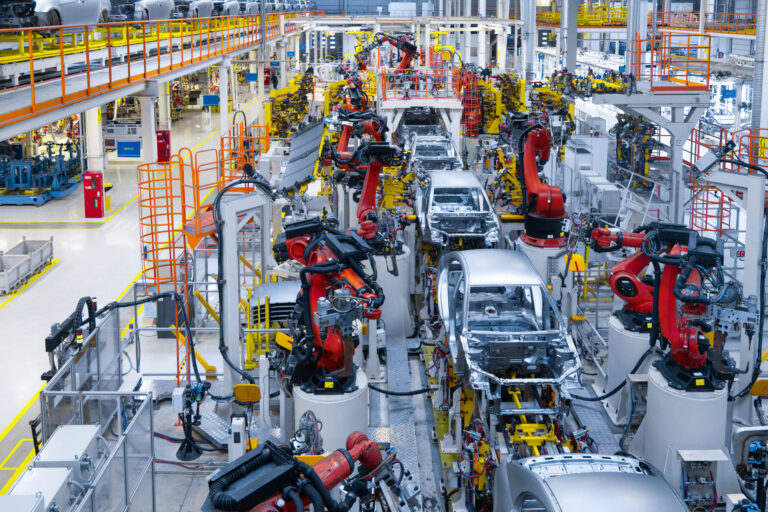
Cold rolled steel is particularly suitable for applications requiring high precision, superior surface quality, and excellent formability. It is commonly used in automotive body panels, household appliances such as refrigerators and washing machines, steel furniture, and signage.
Thanks to its excellent surface finish, strength, and ease of fabrication, cold rolled steel is widely used for manufacturing components where both appearance and dimensional accuracy are critical.
3. Checkered Steel Plate
Checkered steel plate, also known as diamond plate or tread plate, features a raised surface pattern that provides enhanced slip resistance. This makes it an ideal material for applications requiring improved safety under foot traffic.
In addition to its anti-slip properties, checkered steel plate offers high strength, excellent load-bearing capacity, and long-term durability. It is widely used for industrial walkways, factory stairways, truck beds, bus floors, and construction platforms where safety and structural performance are equally important.
Its durability and slip-resistant surface make checkered steel plate a preferred choice across the construction, transportation, and manufacturing industries.
4. Galvanized Steel Plate (GI Plate)
Galvanized steel plate (GI Plate) is carbon steel coated with a layer of zinc to provide outstanding protection against rust and corrosion. This protective coating significantly extends the service life of the steel, particularly in humid, coastal, or outdoor environments.
Galvanized steel is commonly used for roofing systems, metal roofing sheets, wall cladding, architectural panels, steel pipes, water tanks, and a wide range of structural applications where corrosion resistance is essential.
Combining excellent durability, low maintenance requirements, and long service life, galvanized steel plate remains one of the most popular choices for construction and industrial projects exposed to harsh environmental conditions.
Choosing the Right Steel Plate for Your Application
Selecting the right steel plate is essential to ensure optimal performance, durability, and cost efficiency. Before making a selection, consider the following factors:
- Steel Plate Type – Choose the appropriate material, such as hot rolled steel plate, cold rolled steel plate, checkered steel plate, or galvanized steel plate, based on your application and performance requirements.
- Thickness and Dimensions – Select the appropriate plate thickness and size to meet the required load-bearing capacity, structural strength, and fabrication specifications.
- Industry Standards – Ensure the steel complies with recognized standards such as ASTM, JIS, or TIS to guarantee consistent quality, mechanical properties, and manufacturing reliability.
- Service Environment – For applications exposed to moisture, corrosive conditions, or outdoor environments, choose corrosion-resistant materials such as galvanized steel or other protective steel grades to maximize service life.