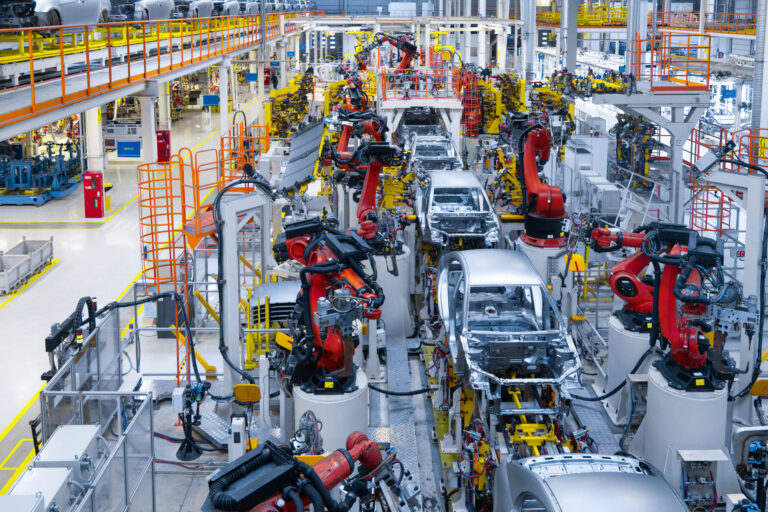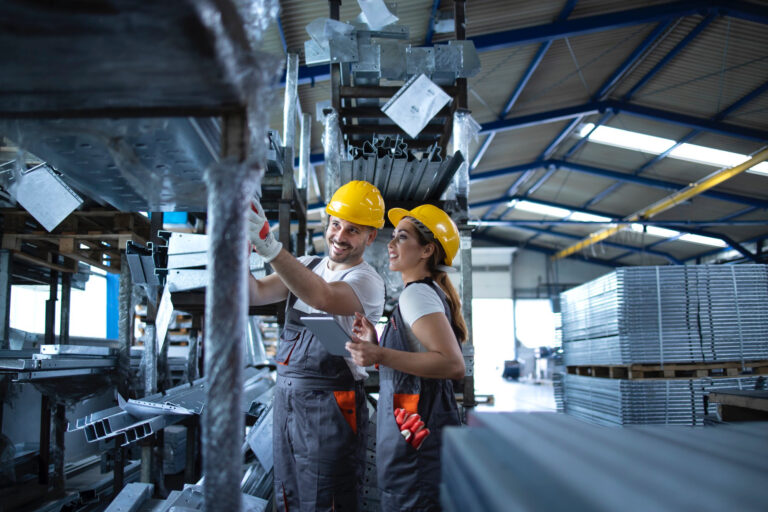
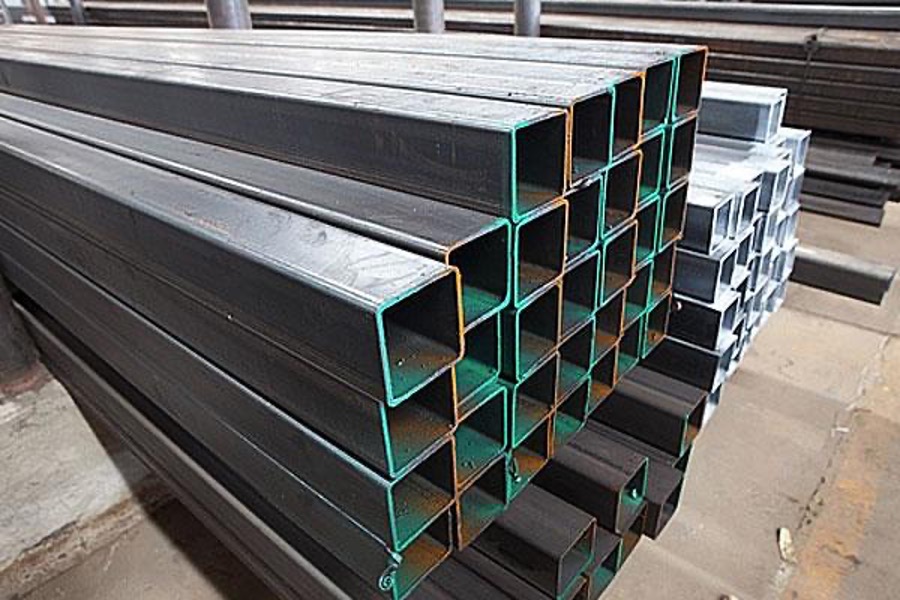
Steel is one of the most widely used engineering materials in everyday life and across countless industries. It is generally classified into two categories: iron and steel. While these materials differ significantly in their properties and applications, they are commonly referred to collectively as “steel” in everyday usage.
General Characteristics of Iron and Steel
Iron, represented by the chemical symbol Fe, is one of the most abundant elements found in nature. It typically occurs in the form of iron ore within rock formations, particularly in mountainous and plateau regions. Before it can be used in industrial applications, the ore must undergo a smelting process to extract pure iron suitable for manufacturing and engineering purposes.
Steel is an alloy primarily composed of iron, carbon, manganese, silicon, and small amounts of other alloying elements. This combination provides excellent strength, durability, toughness, and resistance to impact and harsh operating environments. Unlike iron, steel does not occur naturally—it is an engineered material produced through controlled metallurgical processes. Today, steel is one of the most widely used industrial materials, valued for its versatility, cost-effectiveness, and outstanding mechanical properties.
How Is Steel Classified?
Steel can be broadly classified into two main categories:
Cast Iron
Cast iron is produced through a casting process and typically contains approximately 1.7–2.0% carbon. Its relatively high carbon content gives it excellent hardness and compressive strength, but also makes it more brittle than steel. Because of these properties, cast iron is primarily manufactured by casting and cannot be readily formed through rolling or other plastic deformation processes. Cast iron can be further classified into the following types:
- Gray Cast Iron contains carbon primarily in the form of graphite flakes, resulting from its relatively high carbon and silicon content. This graphite microstructure provides excellent castability, machinability, vibration damping, and thermal conductivity, making gray cast iron a widely used material for engine blocks, machine bases, pipes, and other industrial components.
- White Cast Iron is known for its exceptional hardness and outstanding wear resistance, making it well suited for high-abrasion applications. However, its high hardness also makes it brittle and more susceptible to cracking under impact. Compared with gray cast iron, white cast iron contains lower silicon content, with most of its carbon existing as iron carbide (cementite), which is responsible for its hardness and wear-resistant properties.
- Ductile Cast Iron (Nodular Cast Iron) features graphite in the form of spherical nodules, achieved by adding small amounts of magnesium or cerium during the molten metal treatment process. This unique graphite structure significantly improves its mechanical properties, providing higher strength, toughness, and ductility than conventional cast iron. As a result, ductile cast iron is widely used in industrial applications requiring both durability and reliable mechanical performance.
- Malleable Cast Iron is produced by heat-treating white cast iron, causing the carbon in iron carbides to decompose and form rounded graphite particles within a ferritic or pearlitic matrix. This process significantly improves toughness, ductility, and machinability compared with white cast iron. Owing to its excellent mechanical properties, malleable cast iron is widely used in a variety of industrial and engineering applications.
- Alloy Cast Iron is produced by adding alloying elements such as chromium, nickel, molybdenum, or silicon to enhance its mechanical and physical properties. These additions improve heat resistance, wear resistance, corrosion resistance, and overall durability. As a result, alloy cast iron is commonly used in applications exposed to high temperatures, severe wear, and demanding industrial operating conditions.
Steel
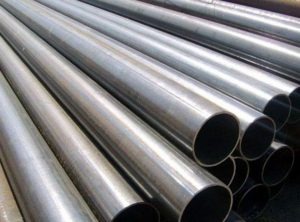
Steel is tougher and more ductile than cast iron, allowing it to be formed through various mechanical processes such as rolling, forging, and machining. Its excellent combination of strength, workability, and versatility makes steel one of the most widely used engineering materials across numerous industries. Common examples include steel plates, structural steel, reinforcing bars, and automotive components. Steel can be further classified into the following categories based on its carbon content:
Carbon Steel is primarily composed of iron and carbon, with small amounts of other elements that remain from the steelmaking process. Its mechanical properties vary mainly according to its carbon content, allowing it to be classified into several categories based on the percentage of carbon present, as follows:
- Low Carbon Steel contains less than 0.20% carbon, offering excellent ductility, formability, and weldability. Although it has relatively lower strength than higher-carbon steels, it can be easily rolled, bent, and fabricated, making it ideal for products such as steel plates, reinforcing bars, and general structural components.
- Medium Carbon Steel contains approximately 0.20–0.50% carbon, providing a balanced combination of strength, hardness, and toughness. Compared with low carbon steel, it offers improved mechanical properties and is commonly used for machinery components, shafts, gears, axles, and other engineering parts that require greater strength and wear resistance.
- High Carbon Steel contains more than 0.50% carbon, providing excellent hardness, strength, and wear resistance. It is commonly heat-treated to further enhance its hardness and durability, making it well suited for applications requiring a hard, wear-resistant surface. Typical applications include cutting tools, dies, springs, blades, and other industrial tools.
Alloy Steel is produced by intentionally adding alloying elements such as chromium, nickel, molybdenum, manganese, or vanadium to achieve specific mechanical and physical properties. Depending on its composition, alloy steel can offer enhanced strength, hardness, toughness, corrosion resistance, heat resistance, wear resistance, and, in certain grades, improved electrical or magnetic properties. Because of these advantages, alloy steel is widely used in demanding engineering and industrial applications. Alloy steel is generally classified into two categories:
Low Alloy Steel – Contains less than 10% total alloying elements and provides improved strength, toughness, and hardenability while maintaining good weldability and cost-effectiveness.
High Alloy Steel – Contains more than 10% total alloying elements, delivering superior performance in areas such as corrosion resistance, heat resistance, and wear resistance. Stainless steel is one of the most well-known examples of high alloy steel.
Steel is one of the most widely used engineering materials in the world and plays a vital role in everyday life as well as countless industrial applications. Its exceptional strength, durability, and versatility make it an ideal material for manufacturing, machinery, infrastructure, and construction. Although steel is relatively heavy compared with some alternative materials, its outstanding structural performance and long service life continue to make it the preferred choice for a wide range of engineering and building applications, from industrial equipment and heavy machinery to residential and commercial construction.