
Have you ever wondered why steel prices fluctuate so frequently, unlike many other materials whose prices remain relatively stable? Steel prices are influenced by a wide range of economic and industry-specific factors, making them more dynamic than many other commodities. Understanding these factors can help businesses better anticipate market trends, optimize purchasing decisions, and manage material costs more effectively.
Below are the key factors that influence global steel price volatility.
Supply and Demand
Like any commodity, steel prices are fundamentally driven by the balance between supply and demand. When demand exceeds available supply, prices tend to rise. Conversely, when supply outpaces demand, prices generally decline.
For manufacturers and project owners, understanding market demand can play a significant role in controlling raw material costs. Purchasing steel during favorable market conditions can help reduce production expenses and improve overall project profitability.
It is also important to recognize that steel prices are influenced not only by current supply and demand but also by market expectations. Industry participants continuously analyze historical consumption, production, inventory levels, and future demand forecasts to anticipate price movements. Monitoring inventories throughout the supply chain—from steel mills to distributors and end users—provides valuable insight into short-term market conditions and pricing trends.
Trends in Related Industries
Steel demand is closely linked to the performance of major industries that rely heavily on steel products.
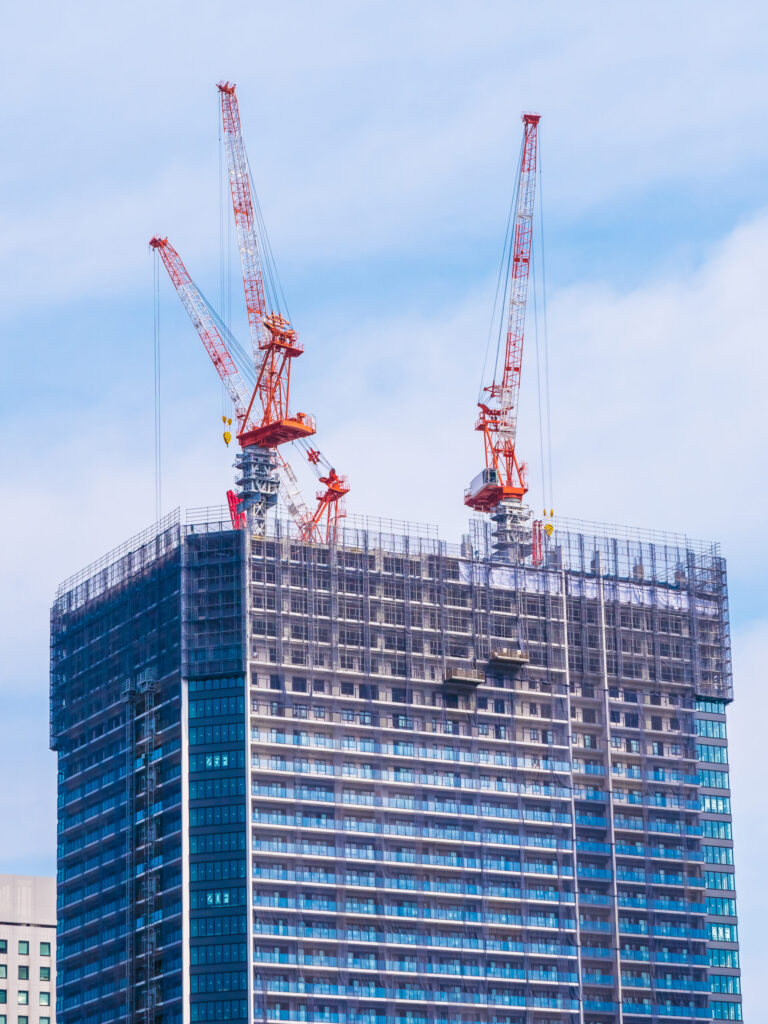
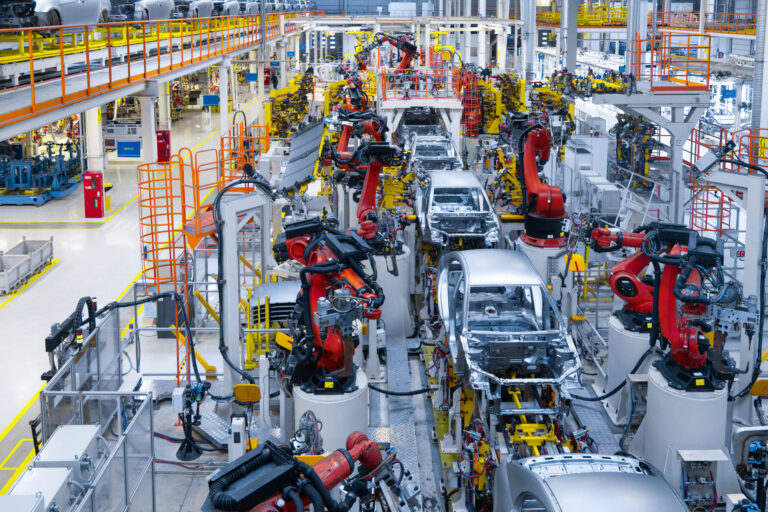
For example, growth in the automotive industry increases demand for steel used in vehicle frames, chassis, and components. Likewise, expanding activity in the construction, infrastructure, manufacturing, and packaging sectors can significantly increase steel consumption, placing upward pressure on prices.
For this reason, steel suppliers, manufacturers, and industrial buyers closely monitor economic growth, government infrastructure spending, and industry-specific policies that may influence future steel demand.
Raw Material Costs
The cost of producing steel depends heavily on the prices of key raw materials, particularly iron ore, scrap steel, and metallurgical coal. When the supply of these materials becomes constrained or demand increases, production costs rise accordingly, often leading to higher steel prices.
Energy costs also play a major role in steel production. Steelmaking requires extremely high temperatures, making electricity, natural gas, and other energy sources significant contributors to overall manufacturing costs. As energy prices increase, steel production becomes more expensive, contributing to market price volatility.
Transportation and Logistics Costs
Transportation is another important factor affecting steel prices. In addition to raw material and production expenses, the cost of delivering steel products to customers can significantly impact the final selling price.
Large and heavy steel products often require specialized transportation, particularly for long-distance domestic deliveries or international shipments. Freight rates, fuel prices, port congestion, shipping availability, and logistics disruptions can all contribute to higher transportation costs.
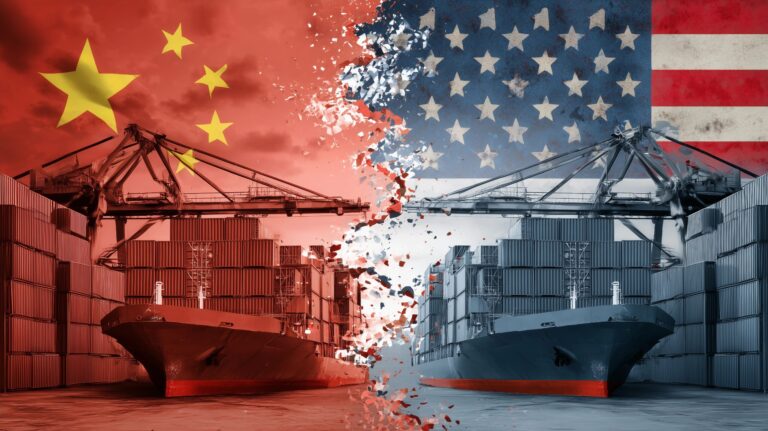
International trade also introduces additional variables, including import and export regulations, tariffs, labor costs, customs procedures, geopolitical events, and shipping lead times. During periods of market disruption—such as the COVID-19 pandemic—global freight costs increased dramatically, resulting in substantially higher steel prices worldwide.
Seasonal Factors
Steel prices may also vary throughout the year due to seasonal influences.
Construction activity, weather conditions, public holidays, and seasonal production schedules all affect steel demand and logistics. For example, heavy rainfall or adverse weather can delay construction projects and disrupt transportation, while peak construction seasons typically lead to increased steel consumption.
Although modern steel production operates year-round, seasonal fluctuations still influence demand, supply chain efficiency, and delivery schedules, all of which contribute to periodic changes in steel prices.
Steel price volatility is driven by a combination of supply and demand, industry trends, raw material costs, transportation expenses, seasonal factors, and broader economic conditions. Businesses that closely monitor these market indicators are better positioned to forecast price movements, optimize procurement strategies, and minimize the financial impact of market fluctuations.
At SMK Steel, we continuously monitor global steel market conditions to help our customers make informed purchasing decisions and secure the right steel products at the right time.