Have you ever wondered how the steel used in countless industrial applications is produced? Before becoming the high-quality steel products we rely on today, steel undergoes a series of complex manufacturing processes. In this article, SMK Steel takes you through the key stages of steel production to help you better understand how steel is made and why each step is essential to achieving the desired quality and performance.
Classification of Steel Products by Manufacturing Process
To provide a clearer understanding of how steel is manufactured, steel products can be classified according to the stage of the manufacturing process, as follows:
1) Primary Steel
Primary steel production begins with iron ore, the principal raw material used to extract iron. The ore undergoes a smelting process that removes impurities and increases its iron content through a series of metallurgical operations.
The resulting products are typically pig iron, which contains approximately 4.5% carbon, or direct reduced iron (DRI), commonly known as sponge iron due to its porous structure. Sponge iron also contains a relatively high carbon content and serves as an important feedstock for steelmaking.
2) Intermediate Steel
Intermediate steel production involves melting pig iron, sponge iron (DRI), and recycled steel scrap in furnaces at temperatures of approximately 1,600°C. During this process, the solid charge materials are transformed into molten crude steel, which is subsequently cast into semi-finished steel products.
These semi-finished products include steel billets, blooms, and slabs, produced through ingot casting or continuous casting processes. In some applications, the molten steel itself is transferred directly for further refining or downstream processing.
During melting, non-metallic impurities combine with fluxes to form slag, which must be removed before the molten steel is poured or continuously cast. Proper slag removal is essential for producing clean, high-quality steel with the mechanical properties required for industrial applications.
3) Finished Steel Products
Once semi-finished steel has been produced, it undergoes various downstream manufacturing processes to create finished steel products for specific industrial applications. These finished products are classified according to the type of semi-finished steel from which they are manufactured, as follows:
- Steel Billets – Steel billets are primarily rolled into long steel products, including reinforcing bars (rebar), wire rods, bright bars, light structural steel sections, steel wire, and high-tensile steel wire, among other engineered steel products.
- Steel Blooms – Steel blooms are primarily rolled into hot-rolled structural steel sections, including angle bars, channel sections, H-beams, I-beams, round bars (black bars), and other structural steel products used in construction, infrastructure, and heavy engineering applications.
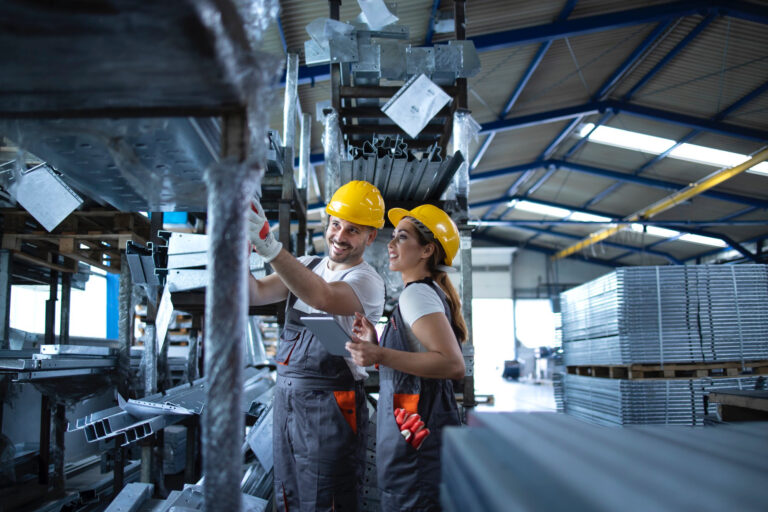
- Steel Slabs – After hot rolling, steel slabs are primarily processed into hot rolled steel plates and coils, which serve as feedstock for a wide range of downstream manufacturing processes. Depending on the intended application, they may be further processed into cold rolled steel, welded steel pipes and tubes, galvanized steel sheets, or other coated and value-added flat steel products.
- Molten Steel – When molten steel is poured into molds through the casting process, it is transformed into steel castings, producing complex-shaped components that are used in machinery, industrial equipment, mining, power generation, and other heavy engineering applications.
4) Downstream Steel Products
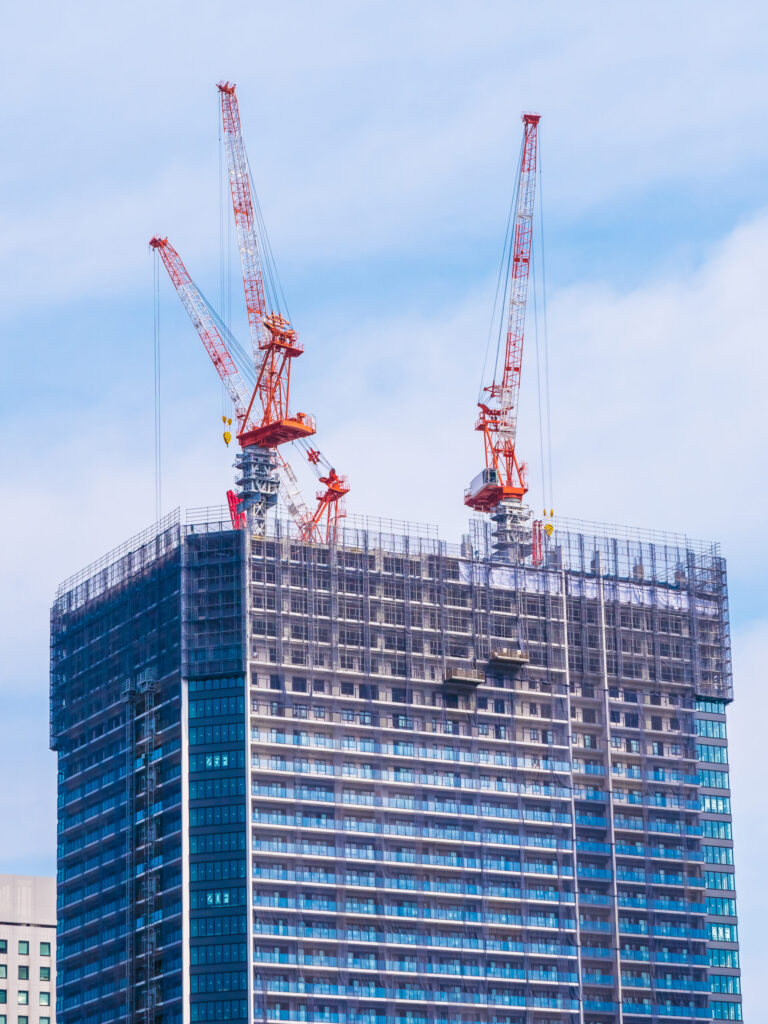
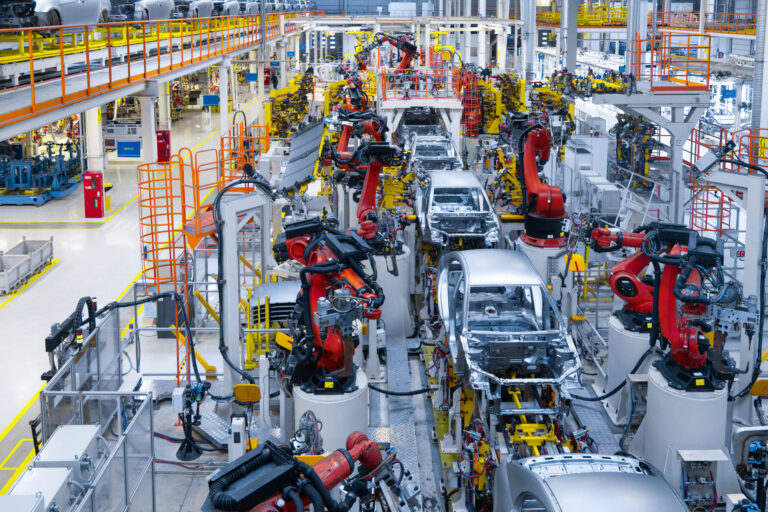
Downstream steel products are not part of the steel manufacturing process itself. Instead, they refer to the wide range of end products manufactured by various industries using finished steel products as raw materials. These applications include construction materials, automotive components, electrical appliances and electronic equipment, furniture, metal packaging, and many other industrial and consumer products.
Summary of the Steel Manufacturing Process
Now that you have an overview of the different steel products produced at each stage of manufacturing, SMK Steel summarizes the six key steps of the steel manufacturing process to provide a clearer understanding of how raw materials are transformed into high-quality steel products used across a wide range of industries.
1) Raw Material Preparation
The first step in steel production is the preparation of iron ore, the primary raw material used to produce steel. The most valuable iron ores are hematite and taconite, both of which contain a high concentration of iron. These ores are processed and prepared before entering the smelting stage, where iron is extracted for steelmaking.
2) Ore Beneficiation and Smelting
Once the raw materials have been prepared, the iron ore undergoes beneficiation to improve its chemical composition and increase its iron concentration by removing naturally occurring impurities. The concentrated ore is then processed through one of two primary steelmaking routes:
Blast Furnace (BF) – Iron ore is reduced using coke and hot air to produce pig iron.
Direct Reduction (DRI) – Iron ore is reduced using natural gas, primarily methane, to remove oxygen and produce sponge iron without melting the ore.
Both methods produce high-iron feedstock for the subsequent steelmaking process.
3) Steelmaking
Pig iron, sponge iron (DRI), and recycled steel scrap are then melted in steelmaking furnaces at temperatures of approximately 1,600°C. During this process, oxygen is introduced to oxidize impurities and reduce the carbon and phosphorus content, producing molten crude steel. The chemical composition is then adjusted to achieve the desired steel grade and mechanical properties.
4) Secondary Refining
After primary steelmaking, the molten steel undergoes secondary refining to improve its quality. During melting, non-metallic impurities such as oxides and silicates separate from the molten steel and form slag. This slag is removed to increase steel purity, resulting in improved strength, durability, surface quality, and overall performance in demanding industrial applications.
5) Steel Casting
The casting process begins by selecting the most appropriate casting method based on the required product dimensions, shape, steel grade, production volume, quality requirements, and cost considerations. In modern steel manufacturing, two casting methods are most commonly used:
- Ingot Casting – Molten steel is poured into stationary molds, where it solidifies into steel ingots. These ingots are subsequently reheated and rolled into various steel products. While still used for certain specialty steels, this method is less common in modern mass production.
- Continuous Casting – Molten steel flows continuously through a water-cooled mold, where it gradually solidifies into semi-finished steel products such as billets, blooms, and slabs. These products can be directly transferred to rolling mills for further processing, improving production efficiency, reducing material waste, and enhancing product quality. Today, continuous casting is the predominant steel casting method used worldwide.
6) Steel Forming and Processing
The final stage of steel production involves forming and processing the steel into the required shapes, dimensions, and specifications before it is supplied for industrial use. Depending on the application and the desired mechanical properties, manufacturers typically employ either hot forming or cold forming processes to produce finished steel products that meet specific engineering and manufacturing requirements.
Understanding the different categories of steel products and the key stages of the steel manufacturing process provides valuable insight into how high-quality steel is produced for a wide range of industrial applications.
At SMK Steel, we are committed to maintaining the highest standards throughout every stage of the supply chain, with a particular focus on heavy steel plates and special grade steel. Our products have earned the trust of customers across diverse industries through consistent quality, reliable performance, and strict quality control.
While steel plates are widely available in the market, high-quality steel plates that deliver long-term value and dependable performance are far more difficult to find. That’s why businesses continue to choose SMK Steel as their trusted steel supplier.
Think Heavy Steel Plates. Think SMK Steel.