
Steel products used today are designed and manufactured in a wide range of forms to meet the specific requirements of different industries. But what are the main types of steel sheet, and how is each type used? This article provides an overview of the most commonly used steel sheets and their applications.
What Is Steel Sheet, and How Many Types Are There?
Steel sheet is a flat-rolled steel product manufactured in the form of either flat sheets or coils. It is available in a wide range of dimensions and thicknesses and is commonly used in general structural work, flooring, automotive fabrication, shipbuilding, and many other industrial applications.
Four Common Types of Steel Sheet and Their Applications
Each type of steel sheet offers different properties and advantages depending on its manufacturing process and intended application.
1) Hot Rolled Steel Sheet
Hot rolled steel sheet is produced by rolling steel at temperatures above its recrystallization point, typically around 1,700°F or higher. The process begins with large steel slabs or billets, which are heated, rolled, and formed into sheets or coils.
Hot rolled steel sheet is generally available in thicknesses ranging from approximately 2 to 25 mm and is one of the most widely used steel sheet products in Thailand.
- Lower production cost than many other steel sheet types due to a simpler manufacturing process
- Excellent formability for general fabrication
- Slow cooling allows the steel structure to normalize, reducing internal stress caused by deformation
Common Applications :
Hot rolled steel sheet is widely used across a broad range of industrial applications. Depending on its steel grade, chemical composition, and mechanical properties, it can be manufactured to meet the specific requirements of various industries, including:
- General fabrication and forming
- Walkway flooring, anti-slip flooring, and truck beds
- Structural components
- Bridges
- Pipes, manhole covers, drainage channels, and gas cylinders
- Shipbuilding, using steel grades specifically developed for marine applications
2) Cold Rolled Steel Sheet
Cold rolled steel sheet is produced from hot rolled steel that has been allowed to cool to room temperature before undergoing further rolling. The cold rolling process reduces the thickness, improves dimensional accuracy, and creates a smoother, cleaner surface.
Cold rolled steel sheet is commonly available in thicknesses ranging from approximately 0.35 to 3.40 mm and may undergo additional surface finishing depending on the required application.
- Smooth, clean, and visually attractive surface finish
- Tighter dimensional tolerances than hot rolled steel
- Higher strength and hardness resulting from work hardening, Improved tensile strength and resistance to deformation
- Excellent suitability for stamping, forming, and deep-drawing applications
Common Applications
Cold rolled steel sheet is ideal for applications requiring an attractive finish, high precision, and strict dimensional tolerances, including:
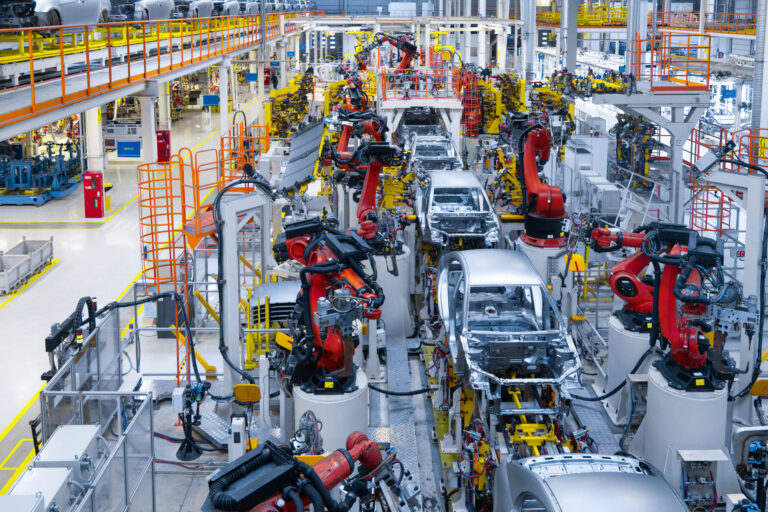
- Automotive components
- Structural and fabricated parts
- Furniture and household appliances
- Computer cases and electronic enclosures
3) Pickled and Oiled Steel Sheet
Pickled and oiled steel sheet is produced from hot rolled steel that undergoes a surface treatment process to remove mill scale and surface oxidation.
The steel is cleaned using an acid pickling process and then coated with a thin layer of oil to help prevent rust during storage and transportation. The resulting surface is smoother and cleaner than standard hot rolled steel, typically with a matte gray appearance.
- Cleaner and more visually consistent surface than standard hot rolled steel
- Offers greater strength and durability than standard hot rolled steel, with improved corrosion resistance and a longer service life, making it a cost-effective choice for long-term industrial applications.
- Excellent toughness and ductility, with enhanced weldability for efficient fabrication and structural assembly.
Common Applications
- Automotive parts and components
- Electrical appliances
- Civil engineering applications
- Structural fabrication
- Gas cylinders, Compressor tanks and refrigeration-system components, Pressure vessels
4) Galvanized Steel Sheet
Galvanized steel sheet is steel coated with a protective layer of zinc to improve corrosion resistance. The coating may be applied through hot-dip galvanizing or an electro-galvanizing process, depending on the required finish and application.
In hot-dip galvanizing, the steel is immersed in a bath of molten zinc, creating a durable coating that protects the underlying steel from moisture and corrosion.
Galvanized steel sheet is available in various thicknesses, commonly ranging from approximately 0.1 to 3.2 mm.
- Excellent resistance to rust, moisture, and general atmospheric corrosion
- Durable surface with a long service life. Suitable for painting, coating, or decorative surface finishing.
- Zinc provides sacrificial protection, corroding in place of the underlying steel at cut edges or scratched areas. Suitable for both indoor and outdoor applications
Common Applications
- Steel structures
- Indoor and outdoor building components. Awnings, handrails, fences, balcony frames, door frames, flooring systems, and wall panels.
- Electrical appliances and electronic equipment
- Advertising signs
- Agricultural structures and equipment
Although these four types of steel sheet may be used in similar applications, each has distinct characteristics relating to surface finish, strength, formability, corrosion resistance, dimensional accuracy, and cost.
Selecting the appropriate steel sheet is therefore essential to achieving reliable performance, controlling production costs, and maximizing long-term value.
For further information or technical advice, contact the specialists at SMK Steel through your preferred communication channel. You can also explore our additional articles for more practical knowledge about steel products, grades, and industrial applications.