Steel plates are essential materials used across the construction, automotive, and structural fabrication industries due to their strength and durability. However, improper handling and storage can lead to rust, corrosion, and premature deterioration, which may compromise work quality and increase repair or replacement costs.
Following proper maintenance and storage practices helps extend the service life of steel plates while preserving their condition and ensuring they remain suitable for their intended applications.
1. Store Steel Plates in a Dry, Well-Ventilated Area
Moisture is one of the primary causes of rust and corrosion on steel plates. To protect their quality, steel plates should be stored in a dry, well-ventilated area with adequate protection from rain and direct exposure to the elements. If outdoor storage is unavoidable, cover the plates with waterproof tarpaulins and place them on raised supports or pallets to prevent direct contact with standing water or damp ground. These precautions help minimize corrosion and extend the service life of the steel.
2. Apply Protective Anti-Corrosion Coatings
Hot Rolled Steel Plates and Checkered Steel Plates are more susceptible to rust and corrosion if left unprotected. Applying anti-rust coatings, protective oils, or corrosion-inhibiting sprays helps prevent oxidation and preserves the surface during storage and transportation.
For applications requiring enhanced corrosion resistance, Galvanized Steel Plates offer an excellent alternative. Their protective zinc coating provides long-lasting corrosion protection, often eliminating the need for additional protective coatings under normal service conditions.
3. Clean Steel Plates Regularly
Dust, dirt, and certain chemicals can accelerate the deterioration of steel plates if left on the surface for extended periods. Regular cleaning helps preserve both the appearance and performance of the steel. Use a dry cloth or soft-bristle brush to remove loose dust and debris. For stubborn grease, oil, or contaminants, clean the surface with a non-corrosive cleaning agent or isopropyl alcohol, avoiding harsh chemicals that could damage the protective surface or accelerate corrosion.
4. Avoid Unnecessary Scratches and Impact
Scratches, dents, and unnecessary impacts can damage the surface of steel plates, making them more vulnerable to rust and corrosion, particularly where protective coatings have been compromised. Steel plates should be handled and transported with care to prevent surface damage. When stacking multiple plates, use protective separators, such as rubber pads, wooden spacers, or protective sheets, between each plate to minimize scratches and preserve surface quality during storage and handling.
5. Inspect and Maintain Steel Plates Regularly
Steel plates should be inspected periodically to identify any early signs of rust, corrosion, or surface damage. If corrosion is detected, it should be removed promptly using a wire brush or an appropriate rust remover, followed by the application of a new protective coating to prevent further deterioration. Regular inspection and preventive maintenance help minimize long-term damage, extend the service life of steel plates, and ensure they remain in optimal condition for future use.
6. Organize and Stack Steel Plates Safely
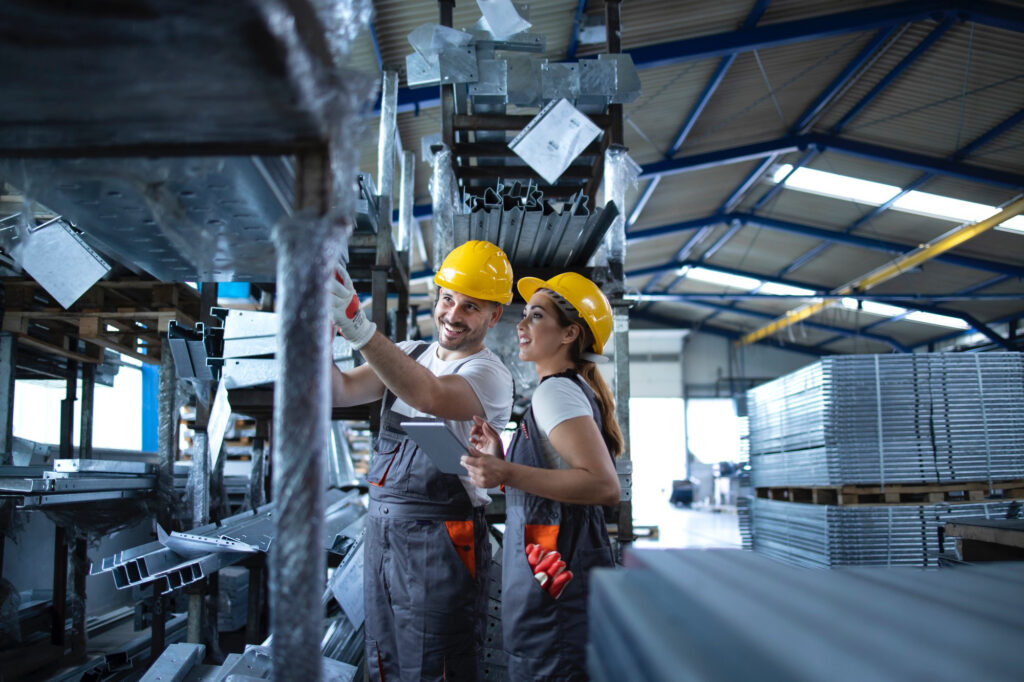
Properly organizing and stacking steel plates improves workplace safety, simplifies inventory management, and reduces the risk of damage during handling. Avoid stacking plates excessively high, as the weight can place excessive stress on the bottom plates, potentially causing deformation or warping. Steel plates should also be stored on strong storage racks, steel supports, or raised pallets to keep them off the ground, protecting them from moisture, contamination, and unnecessary surface damage.
7. Choose High-Quality Steel Plates That Meet Recognized Standards
Selecting high-quality steel plates that comply with recognized industry standards—such as ASTM, JIS, or TIS (Thai Industrial Standards)—is essential for maximizing service life and long-term performance. Steel plates that fail to meet quality standards are more likely to deteriorate prematurely, resulting in increased maintenance costs and reduced reliability. Investing in certified, high-quality steel from the outset helps minimize repair and replacement costs while ensuring consistent performance throughout the product’s lifespan.
At SMK Steel, we place the highest priority on proper steel plate storage to preserve product quality before delivery. Our steel plates are stored in a purpose-built warehouse designed to meet high industry standards, featuring a fully covered roof to protect against rain and moisture, excellent ventilation to minimize condensation, and a well-organized storage system using heavy-duty racks and raised supports. This prevents direct contact with standing water, reduces excessive loading on stored materials, and helps maintain the flatness, integrity, and overall quality of every steel plate delivered to our customers.
Every stage of our storage process is managed with a strong focus on safety, cleanliness, and quality control. Our team conducts regular inspections to identify any signs of rust, corrosion, or surface damage. Steel plates are cleaned and treated with protective coatings in accordance with industry best practices, and any issues are addressed immediately to ensure every plate remains in optimal condition and meets our quality standards before delivery.
Because at SMK Steel, every steel plate is our pride.